Choosing the Right CCTV System for Your Property
- Shilpi Paul Das
- Apr 24
- 4 min read

In an age where security is paramount, selecting the right CCTV system for your property can feel overwhelming. With numerous options available, understanding what you need and how to choose the best system can make a significant difference in safeguarding your home or business. This guide will walk you through the essential factors to consider when choosing a CCTV system, ensuring you make an informed decision that meets your security needs.
Understanding Your Security Needs
Before diving into the technical specifications of CCTV systems, it’s crucial to assess your security needs. Consider the following questions:
What areas do you want to monitor? Identify high-risk zones such as entrances, parking lots, or backyards.
What is your budget? Determine how much you are willing to invest in a CCTV system.
Do you need remote access? Decide if you want to view live feeds from your smartphone or computer.
What is the lighting situation? Consider whether the areas you want to monitor are well-lit or if you need night vision capabilities.
By answering these questions, you will have a clearer picture of what you need from your CCTV system.
Types of CCTV Cameras
CCTV cameras come in various types, each suited for different environments and purposes. Here are some common types:
1. Dome Cameras
Dome cameras are popular for indoor surveillance. Their design makes it difficult for intruders to tell which direction the camera is pointing. They are often used in retail stores and offices.
2. Bullet Cameras
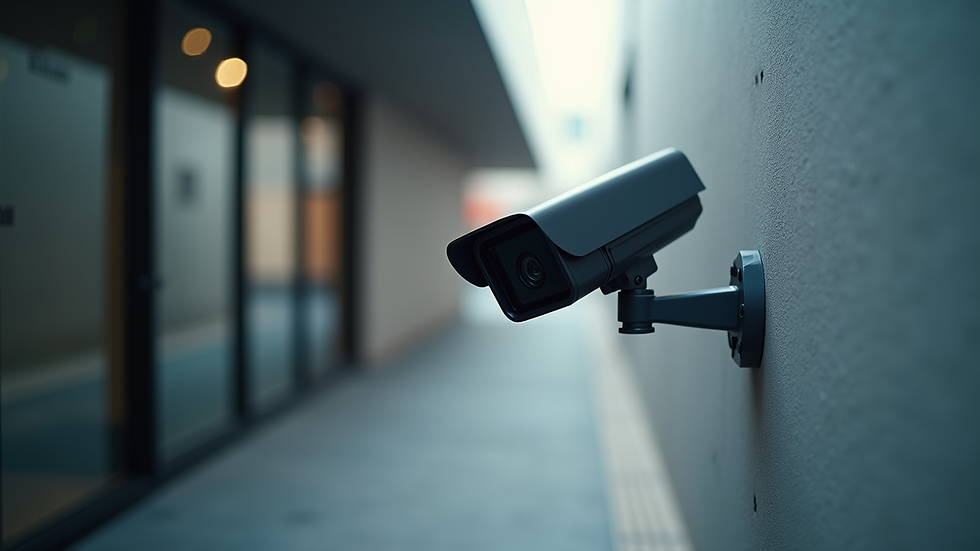
Bullet cameras are easily recognizable due to their cylindrical shape. They are ideal for outdoor use and can cover long distances. These cameras are often used for monitoring perimeters.
3. PTZ Cameras
PTZ (Pan-Tilt-Zoom) cameras can be remotely controlled to pan, tilt, and zoom in on specific areas. They are suitable for large areas where you need to monitor multiple zones.
4. IP Cameras
IP cameras transmit data over the internet, allowing for high-resolution video and remote access. They are ideal for those who want to monitor their property from anywhere.
5. Wireless Cameras
Wireless cameras are easy to install and can be placed in locations without the need for extensive wiring. They are perfect for temporary setups or areas where running cables is impractical.
Key Features to Look For
When selecting a CCTV system, consider the following features:
1. Resolution
The resolution of the camera determines the clarity of the footage. Look for cameras with at least 1080p resolution for clear images. Higher resolutions, such as 4K, provide even more detail.
2. Night Vision
If you plan to monitor areas at night, ensure your cameras have night vision capabilities. Infrared technology allows cameras to capture clear images in low-light conditions.
3. Field of View
The field of view (FOV) indicates how much area the camera can cover. A wider FOV means fewer cameras are needed to monitor a large space.
4. Storage Options
Consider how you want to store footage. Options include local storage (DVR/NVR) or cloud storage. Cloud storage allows for remote access but may come with ongoing fees.
5. Motion Detection
Cameras with motion detection can send alerts when movement is detected, allowing you to respond quickly to potential threats.
Installation Considerations
Proper installation is crucial for the effectiveness of your CCTV system. Here are some tips:
Choose the Right Locations: Install cameras at strategic points to cover all entry and exit points.
Height Matters: Mount cameras at a height that prevents tampering but still captures clear images.
Check Connectivity: Ensure that your cameras have a strong connection to the internet or your local network for optimal performance.
Maintenance and Upkeep
Once your CCTV system is installed, regular maintenance is essential to ensure it operates effectively. Here are some maintenance tips:
Clean the Cameras: Dust and debris can obstruct the camera lens. Regularly clean the cameras to maintain clear visibility.
Check Connections: Periodically inspect cables and connections to ensure everything is functioning correctly.
Update Software: Keep your camera firmware and software up to date to protect against vulnerabilities.
Cost Considerations
The cost of a CCTV system can vary widely based on the type of cameras, features, and installation. Here’s a breakdown of potential costs:
Basic Systems: A simple system with a few cameras can start around $200 to $500.
Mid-Range Systems: More advanced systems with additional features may range from $500 to $1,500.
High-End Systems: Comprehensive setups with multiple cameras and advanced features can exceed $1,500.
When budgeting, consider both the initial investment and ongoing costs, such as cloud storage fees.
Conclusion
Choosing the right CCTV system for your property is a critical step in enhancing your security. By understanding your needs, exploring different camera types, and considering key features, you can make an informed decision that protects your home or business. Regular maintenance and proper installation will ensure your system remains effective over time.
Take the first step towards securing your property by evaluating your security needs and exploring the options available. With the right CCTV system in place, you can enjoy peace of mind knowing that your property is being monitored effectively.


Comments